Start with two or three full-body strength sessions a week, using a load that feels challenging in the last reps and building up gradually. In menopause, falling estrogen speeds up the loss of muscle and bone, and strength training is one of the most effective ways to protect both.
What changes in your body
As hormones drop, women lose muscle and bone faster, fat tends to settle around the belly, and sleep and mood swing more. Your body keeps responding to training at any age, and strength training is the type of exercise that speaks most directly to these changes.
Why strength first
- Bone. Bone gets stronger when it's loaded. Lifting and light impact are the stimuli that help most to maintain bone density.
- Muscle. Keeping muscle preserves the strength you need for daily life and the balance that protects you from falls.
- Metabolism. Active muscle improves how your body handles glucose and helps with weight management.
- Energy. Regular training tends to improve sleep and mood.
Six base movements
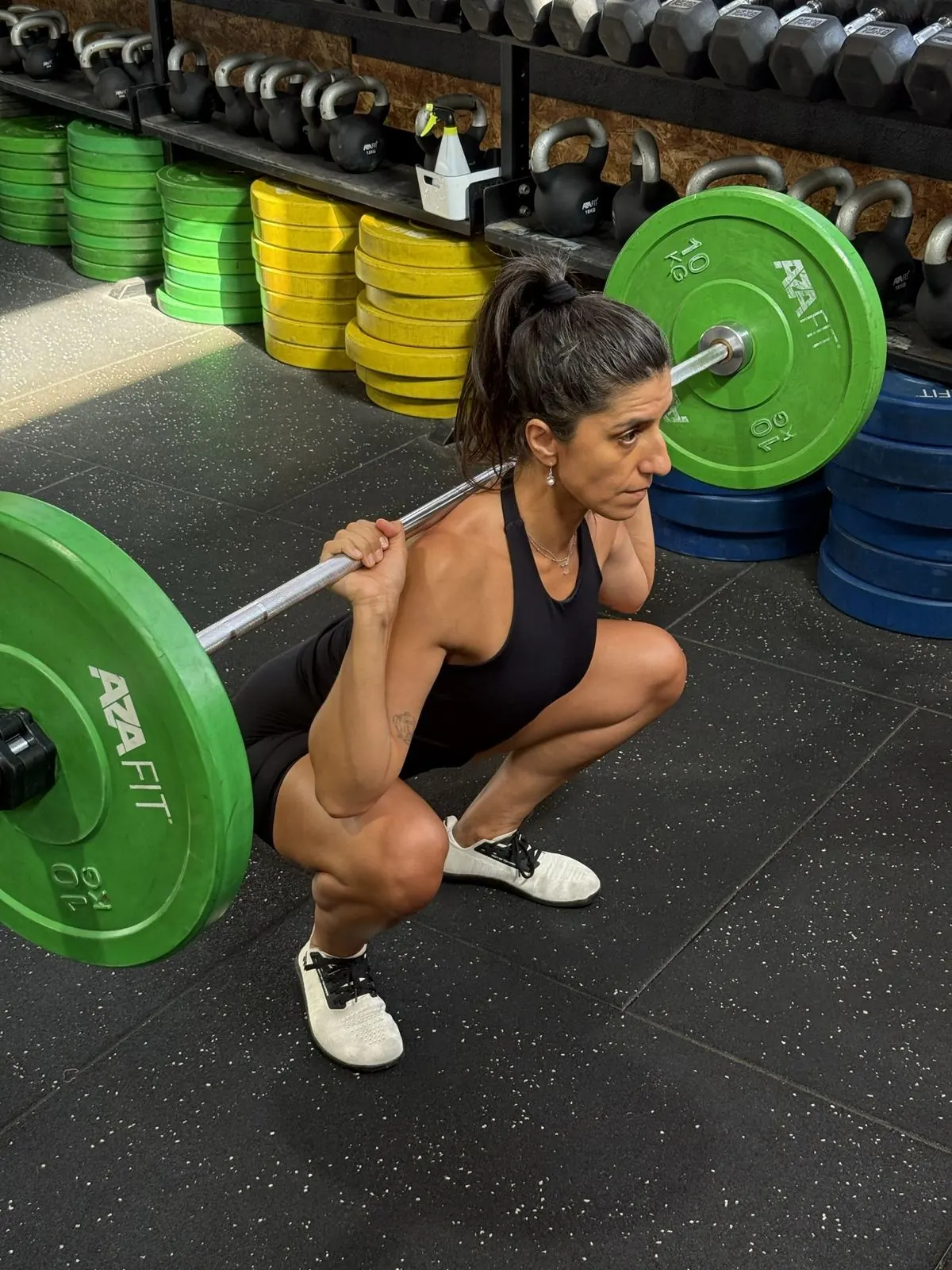
- Squat. Bodyweight squats, then with a kettlebell held at your chest.
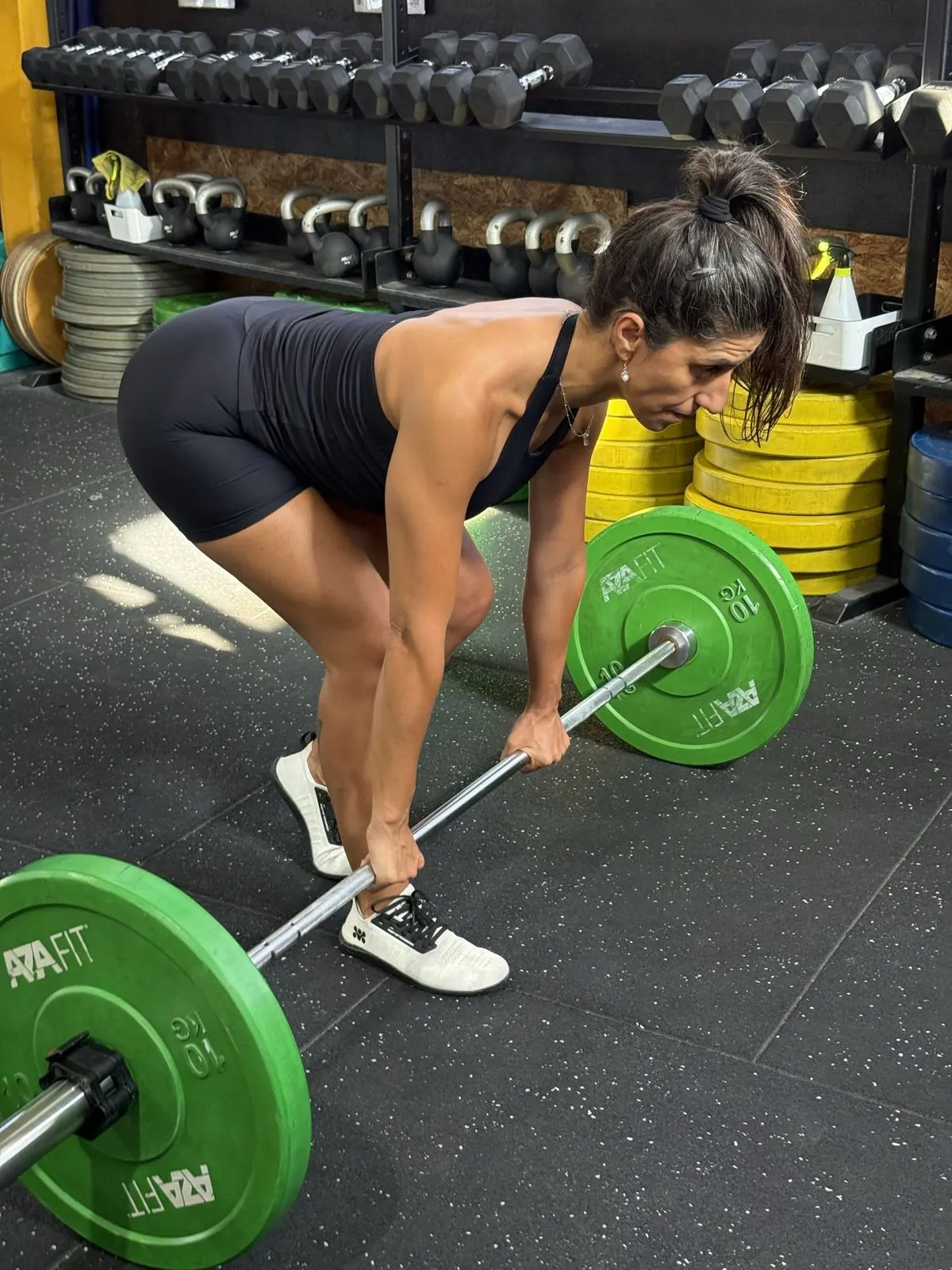
- Hinge. Deadlift with a kettlebell or dumbbells.
- Push. Incline push-ups, overhead press with dumbbells.
- Pull. Dumbbell or band rows.
- Carry. Walk holding weights in your hands.
- Balance. Stand on one leg, step up onto a stair slowly.
How to plan your week
Two or three strength sessions on alternate days. In each, one to three sets of every movement, 8 to 12 reps. The right load makes the last two reps hard while your technique stays clean. On other days, walk, do mobility work or yoga.
The World Health Organization recommends muscle-strengthening activity at least twice a week and, from age 65, balance training three times a week.
Before you start
Talk to your doctor, especially if you've been diagnosed with osteoporosis, high blood pressure or an injury. With osteopenia or osteoporosis, strength training is still recommended, with careful exercise choices and progression guided by a professional.
This article is for information and complements medical care. For a plan built around your body, book an assessment with Gabi.
Frequently asked questions
I've never lifted. Is it too late?
Do I need a gym?
Does strength training help with hot flashes?
Personal trainer (CREF 016030-G/RS) and head coach of GB Movement. She holds a degree in Physical Education from ULBRA and has been teaching movement for 20 years. Meet Gabi.
Published October 3, 2026.