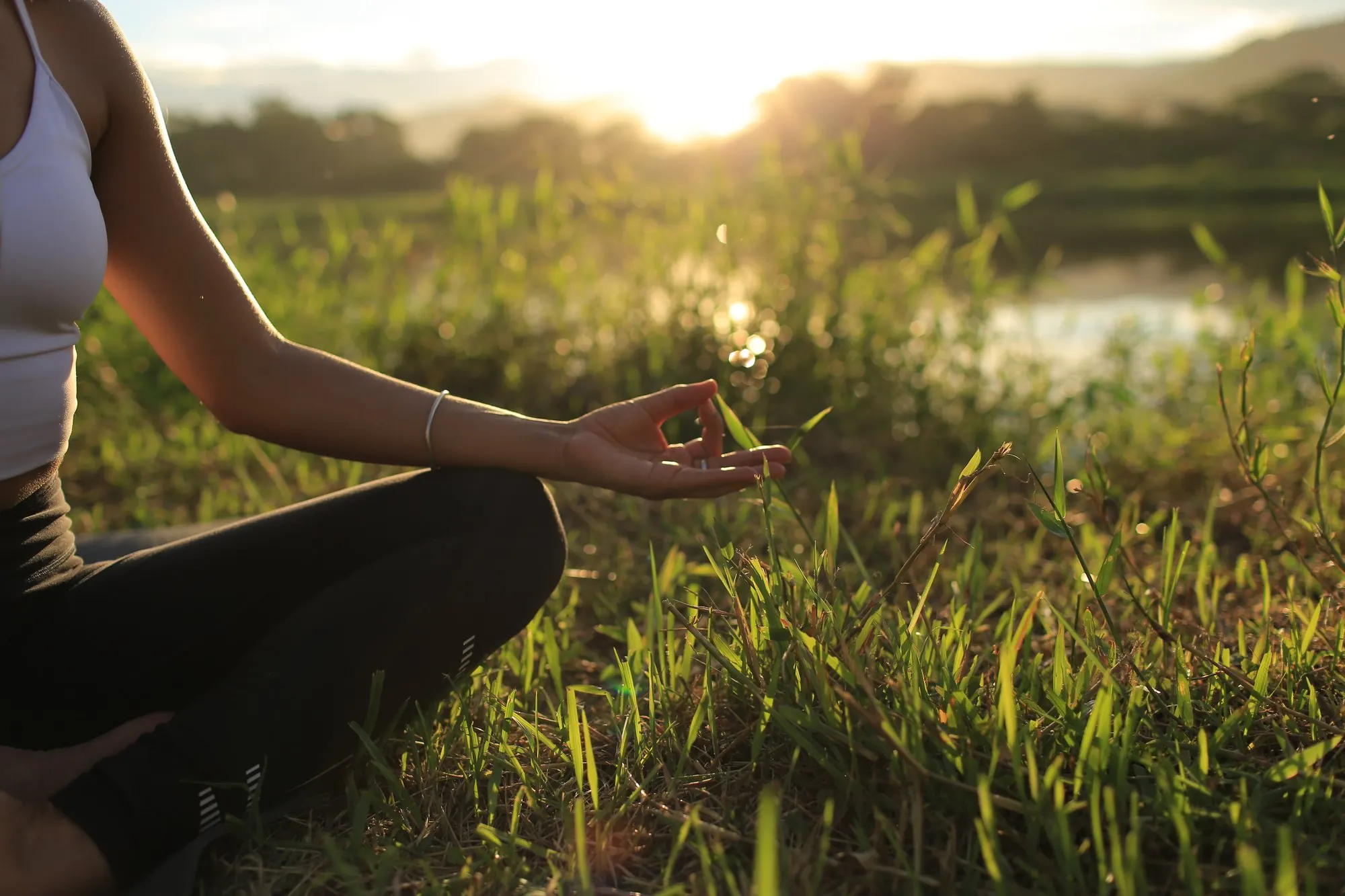
Breathwork and meditation.
Diaphragmatic breathing is the foundation of all our practices, and meditation carries that calm into the mind. We adapt how we use it to the moment, in training and in life: sometimes to calm the body, stimulating the parasympathetic system, sometimes to activate it and build energy, stimulating the sympathetic system.
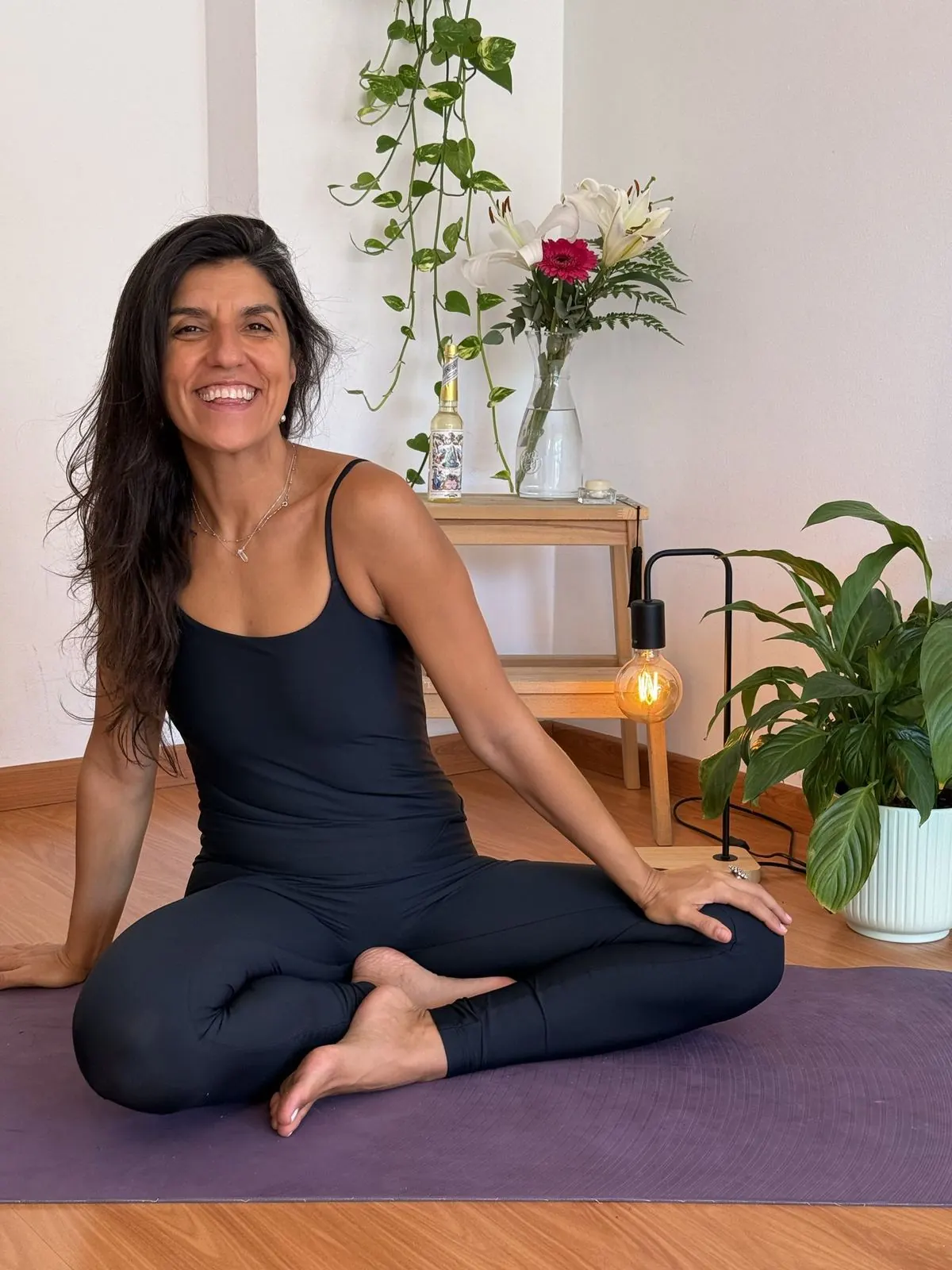
Breathing with your diaphragm
The diaphragm is the main breathing muscle. When you breathe in, it moves down and makes room for the lungs to fill, which is why your belly expands along with your chest. It's a slower, deeper way of breathing that many people stop using with the stress and rush of daily life.
- Sit or lie down with your back supported.
- Place one hand on your chest and the other on your belly.
- Breathe in through your nose and feel your lower hand rise more than the upper one.
- Let the air out slowly, taking longer than you did to breathe in.
The 4·4·6/8 rhythm, to calm down
Breathe in for 4 counts, hold for 4 and let go over 6 or 8 counts. An exhale longer than the inhale stimulates the parasympathetic nervous system and helps the body slow down. Four cycles take less than a minute.
Practice now with guided breathing or read about breathing for anxiety.
Breathe to energize
When the goal is to gain energy, the logic flips: longer inhales and a slightly faster rhythm stimulate the sympathetic nervous system and make the body more alert. That's why these techniques usually come at the start of the day or before training.
Quieting the mind
Meditation grows out of the breath. After a few slow cycles, attention turns to the body and the present moment, and the mind slows down with it. In class, it usually closes the practice, with a few guided minutes, sitting or lying down.
You don't need to empty your mind. When a thought shows up, you notice it and come back to the breath. That return, repeated, is what trains attention.
From the mat to your training
Breathing usually opens and closes each session and goes with every technique. In strength exercises, the diaphragm works with the abdominal muscles to stabilize the trunk and protect the spine. Breathing also helps you control effort and recover between sets.
Proven credentials
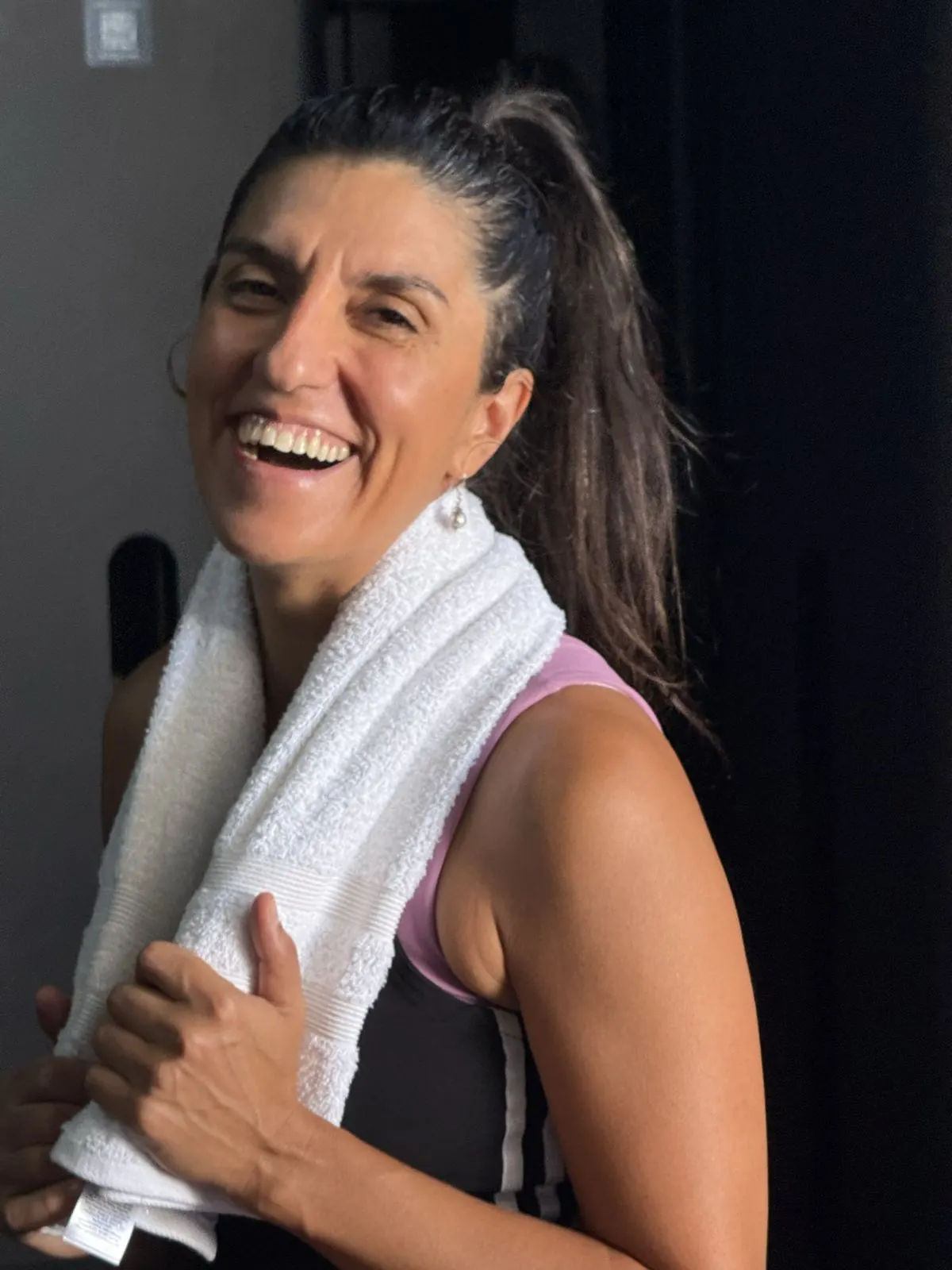
Over 20 years of teaching movement, Gabi has brought breathing into every technique of the Training Method. She is trained in mindfulness at the Sati School of Meditation.
Gabriela Bertoletti, CREF 016030-G/RS. Physical Education degree from ULBRA (2007) and 20 years teaching movement.