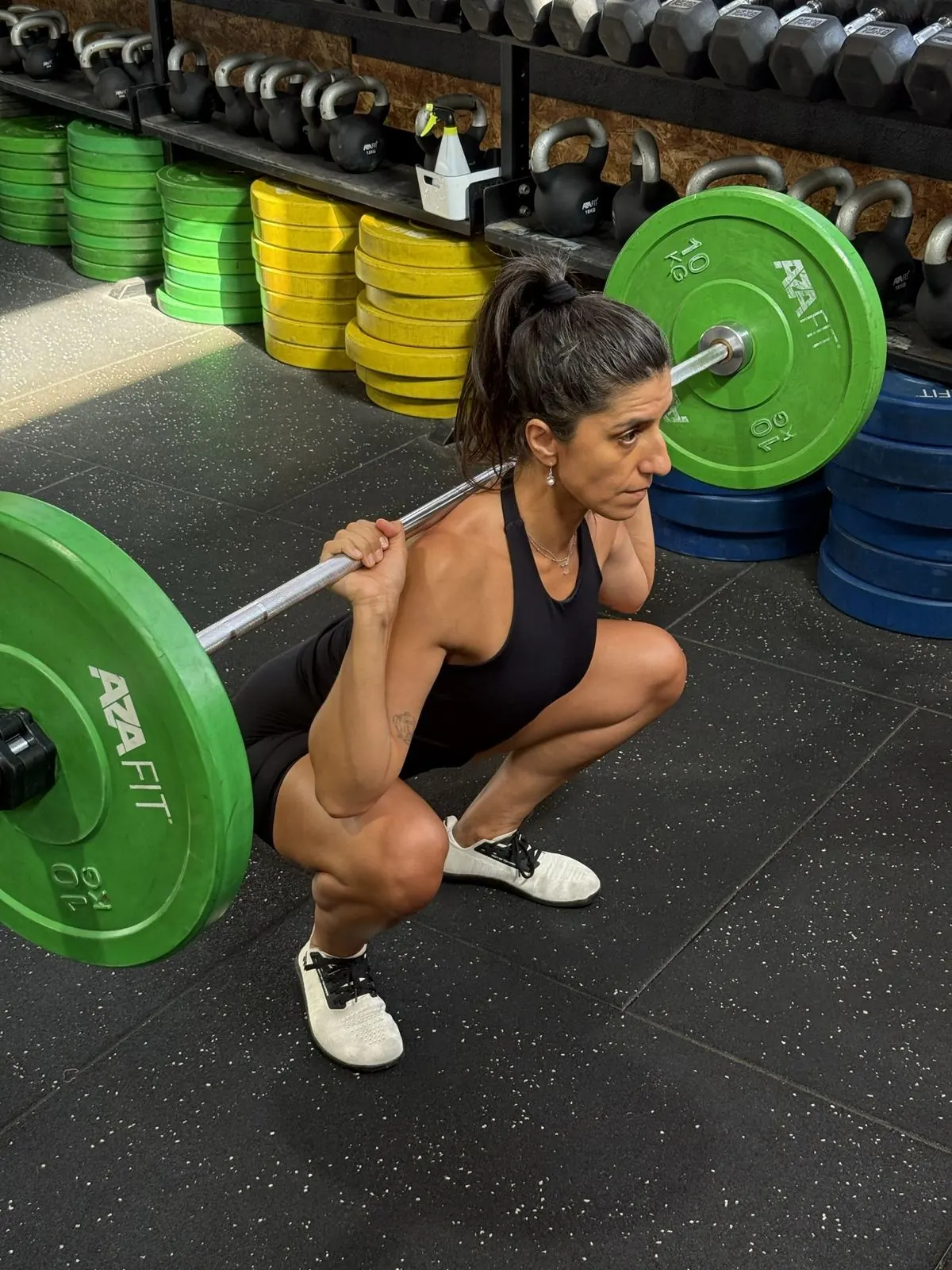
Losing weight depends mainly on using more energy than you take in. But part of the weight you lose can come from muscle as well as fat, which tends to make the process harder. Strength training, combined with a quality diet, helps you preserve and build muscle mass, making weight loss more efficient and healthier: less fat, more muscle and a more functional body.
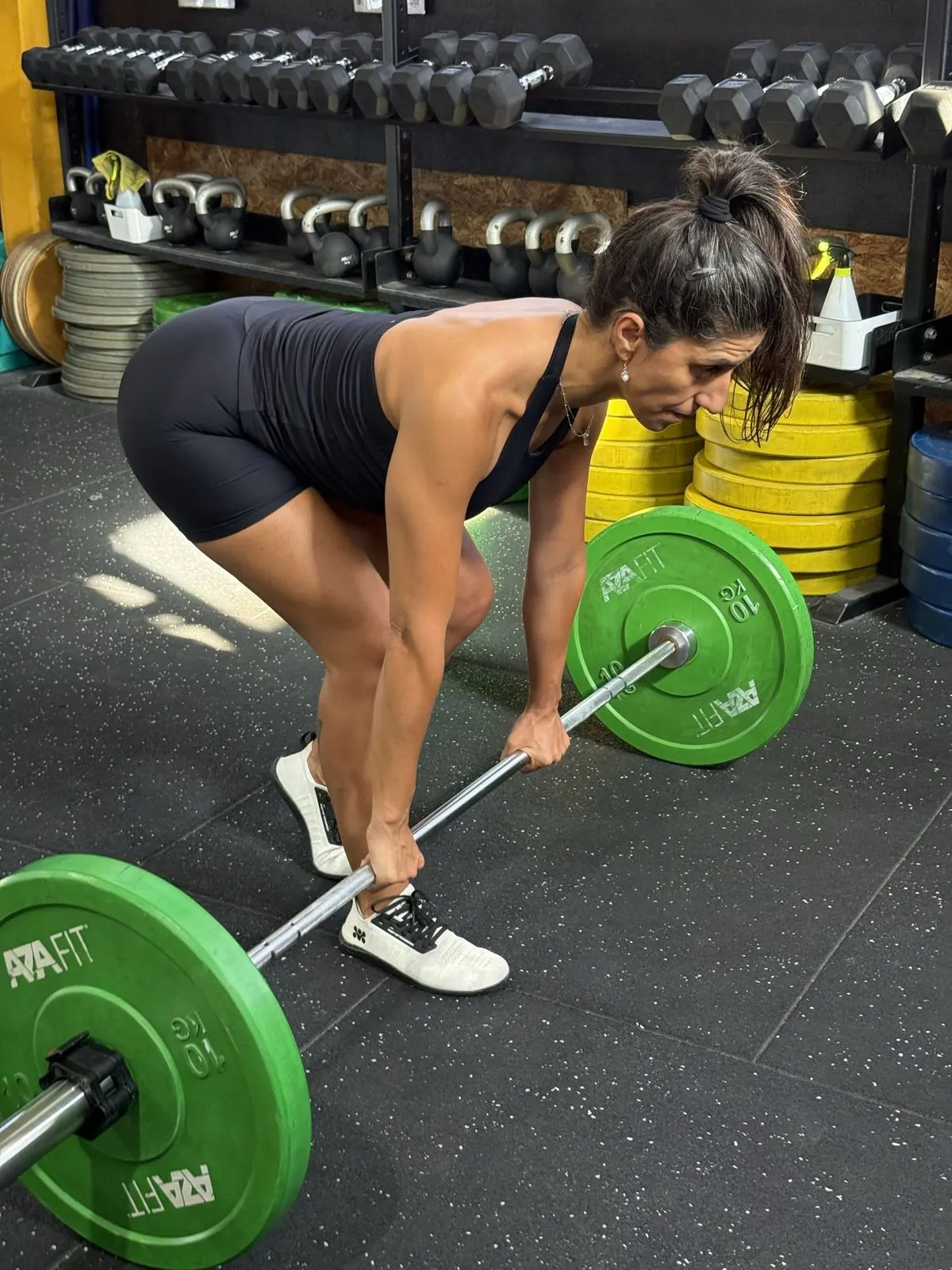
What happens when you lose weight
To lose weight, your body needs a calorie deficit, meaning it uses more energy than it gets from food. To cover that gap, it draws on its own reserves. Fat is the main one, though there are others.
In the first few weeks, part of the weight that comes off is water and glycogen, the carbohydrate stored in your muscles and liver. As the process goes on, muscle can shrink too. With less energy available, the body tends to build less muscle protein and break down more. And muscle is a tissue that costs energy to maintain: if it isn't being used, the body tends to save energy and cut back on whatever isn't being stimulated.
This loss tends to be greater when the deficit is very large, when your diet is low in protein and when there's no strength training. Training works as a signal to your body that the muscle is needed, and protein provides the raw material to maintain it. Studies show that strength training during a diet helps preserve muscle mass. That way, more of the weight you lose tends to come from fat.
What changes in your body when you keep up strength training
Metabolism. Muscle uses more energy at rest than fat does. The difference per pound is small, but the health benefit is bigger: more muscle means more strength and physical confidence, and more fat means more strain on the body and metabolic dysfunction. Gaining muscle helps, though it doesn't work miracles on its own. The bigger effect comes from the whole package: a balanced diet, the energy used by training itself, preserving muscle mass and staying consistent.
Blood sugar control. Muscle is one of the main places glucose goes in the body. Strength training improves insulin sensitivity, which can help control the sugar circulating in your blood. The more muscle you have, the greater and more efficient that control is.
Body fat. Even without cardio or dieting, strength training is linked to a modest reduction in body fat, including visceral fat, which sits around the organs and is the type most linked to health risks. This happens in a few ways: training uses energy during the session and during recovery, stronger muscle uses glucose better and responds better to insulin, and visceral fat usually responds well to that improvement. Combined with diet, the effect tends to be even greater.
Body composition. People who train well can lose fat and gain muscle at the same time. It's a hard goal to reach, though it happens more often at the start. That's why the scale sometimes barely moves while your measurements and clothes change more.
In practice
Diet and strength training complete each other. The diet creates the calorie deficit, and training helps make sure the weight you lose comes mainly from fat. A good starting point is to train strength two to three times a week, eat a balanced diet and avoid very large deficits. Beyond the scale, keep track of your strength, your measurements and your energy day to day. The result tends to be a lighter, stronger body that's more likely to stay that way.
See how to fit strength and yoga together in yoga and strength training on the same day.
In the Training Method, strength training is the foundation, blended with mobility, yoga and breathing. Book an assessment with Gabi.
Frequently asked questions
Weights or cardio: which is better for weight loss?
Will I get too bulky?
Why isn't the scale moving if I'm training?
Personal trainer (CREF 016030-G/RS) and head coach of GB Movement. She holds a degree in Physical Education from ULBRA and has been teaching movement for 20 years. Meet Gabi.
Published October 26, 2026.