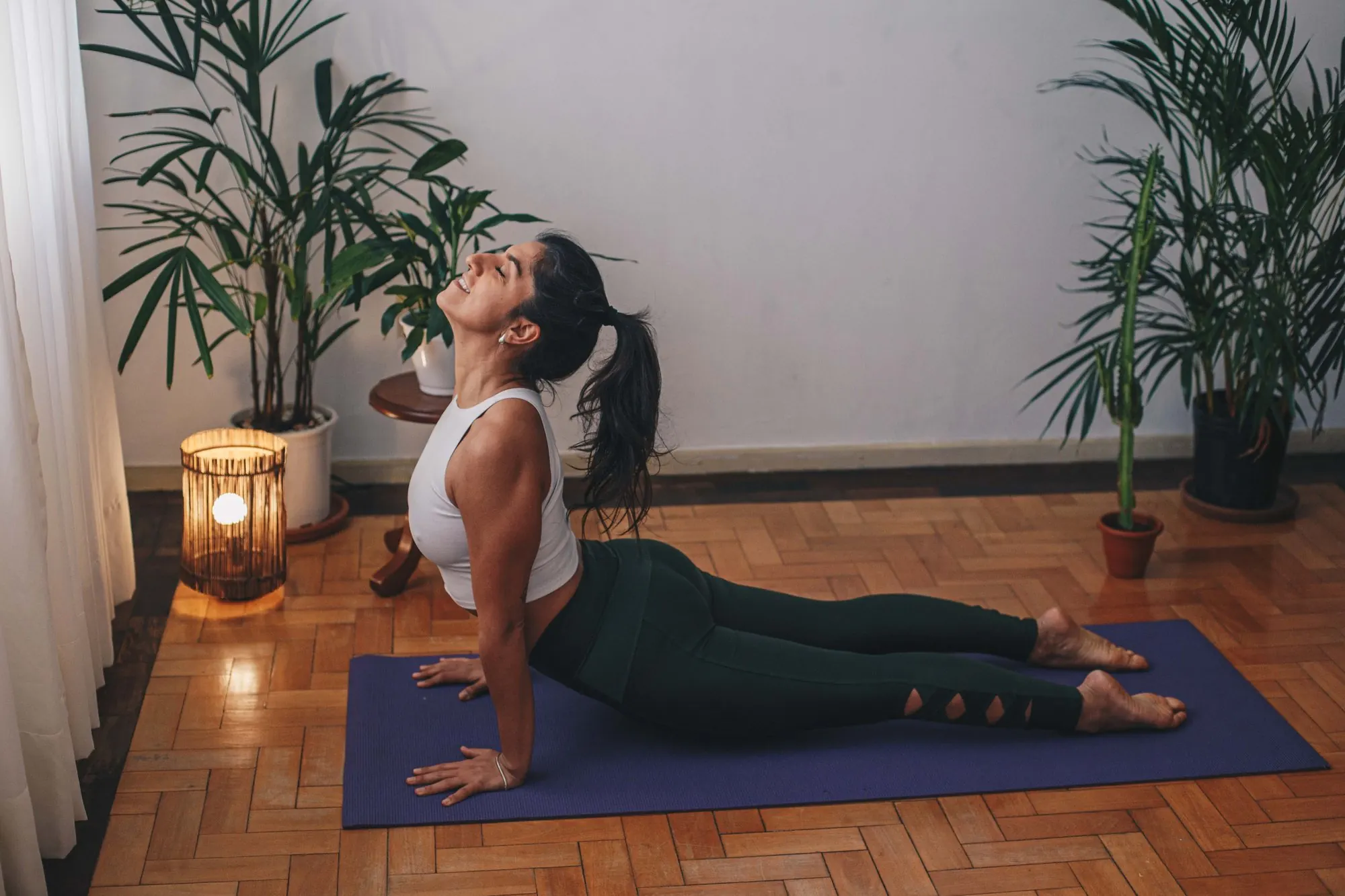
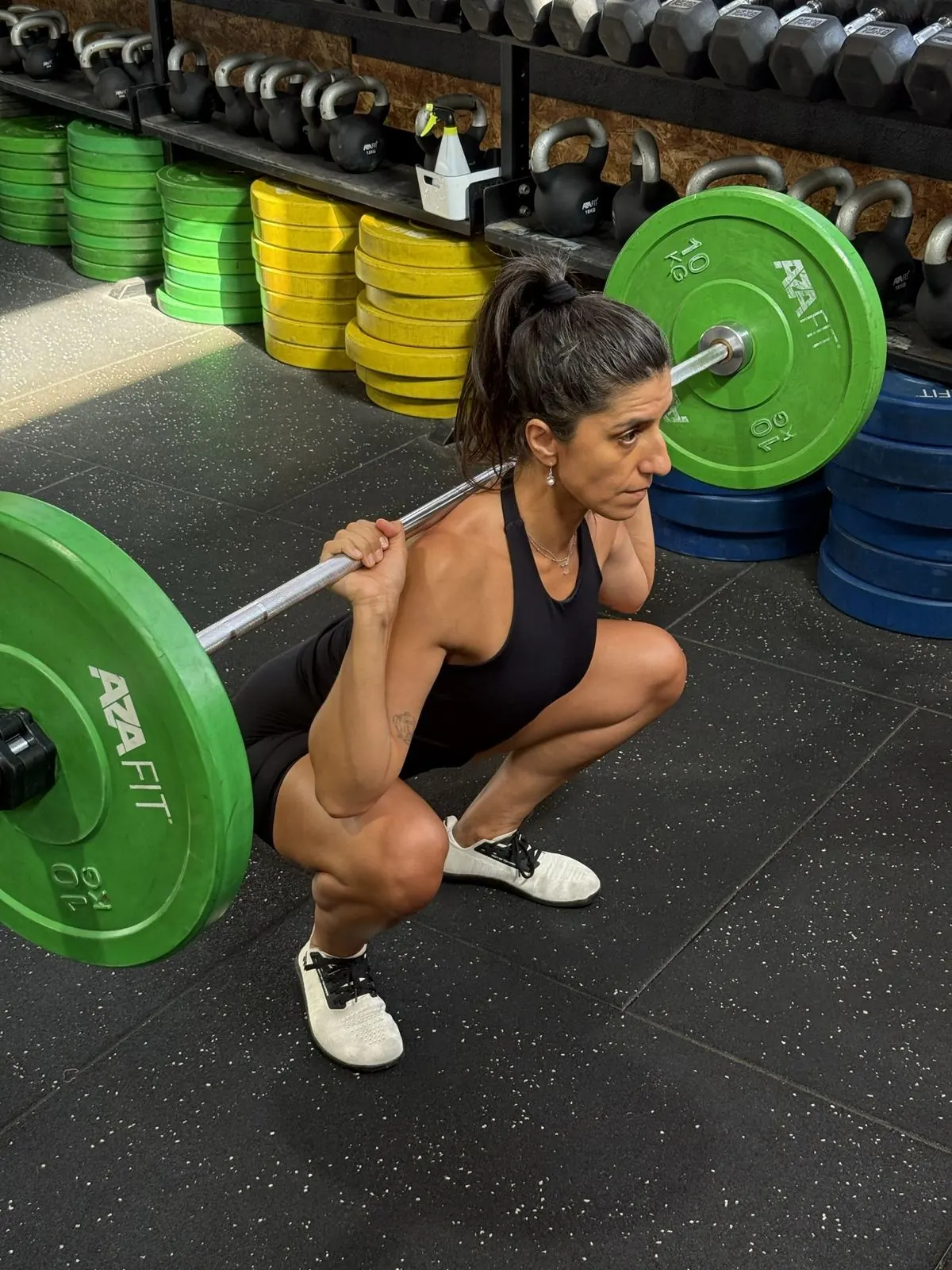
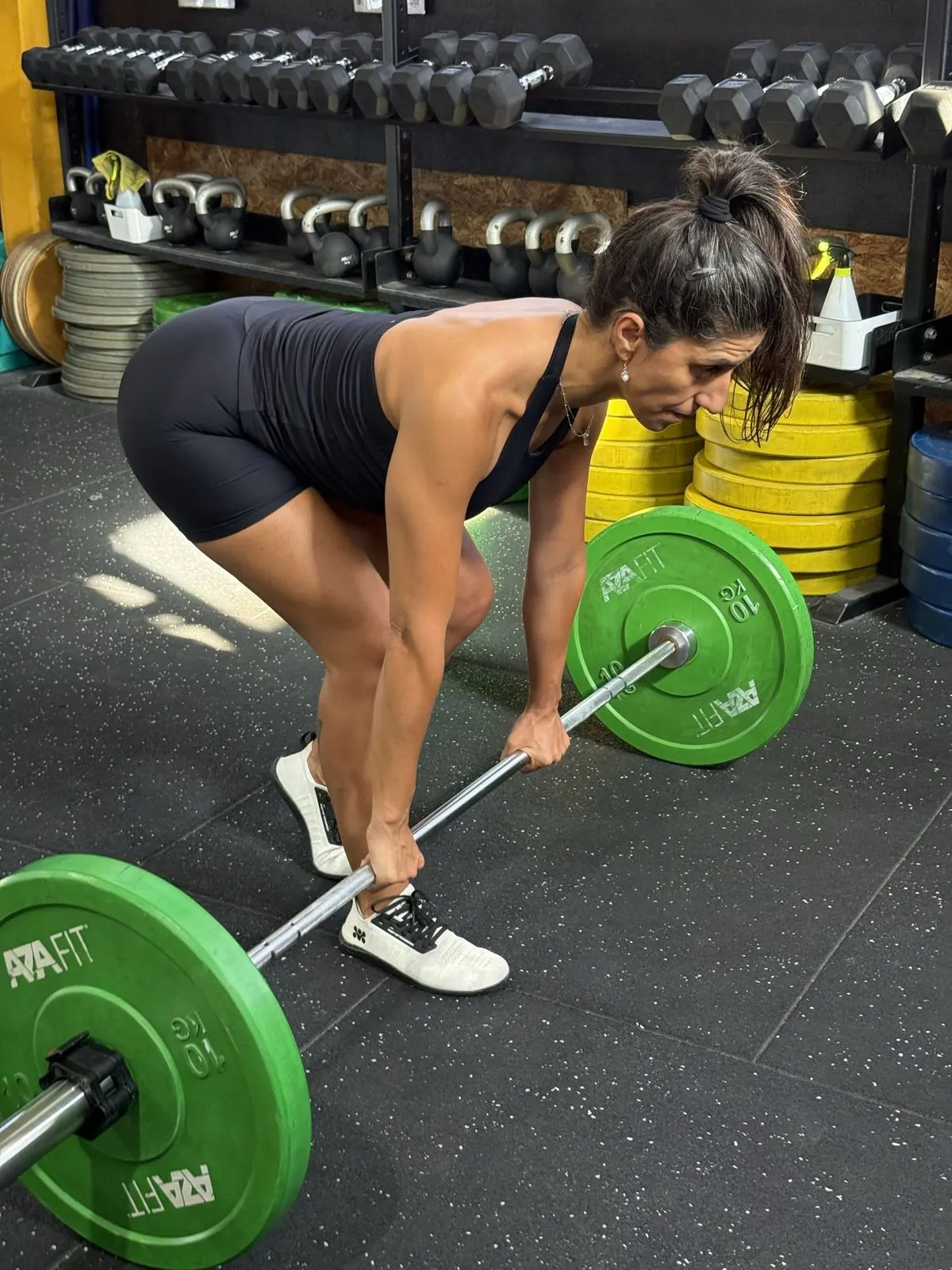
Start at half of what you used to do, two or three times a week, and build up over four to six weeks. Your body regains fitness faster than it took to build, so the biggest risk is rushing. The first week is about reminding your body how to move.
Before your first workout
If you've been inactive for many months, are over 40 or have a health condition (high blood pressure, diabetes, heart problems, an old injury), get a check-up first. After that, an assessment with the coach who'll work with you helps set the right starting point.
A six-week plan
Weeks 1 and 2: relearn the movement Two or three 30-minute sessions. Basic full-body exercises with bodyweight or light load. Finish each set feeling you could do about four more reps.
Weeks 3 and 4: build rhythm Three sessions. Add a little load or a few reps. Include one mobility or yoga day.
Weeks 5 and 6: back to normal Three or four sessions, closer to what you used to do. From here on, the usual rule applies: progress when it gets easy.
Soreness and warning signs
Muscle soreness a day or two after training is normal, especially when you're coming back. It eases as your body adapts.
Stop and see a doctor if you feel chest pain, shortness of breath out of proportion to the effort, dizziness, or sharp, localized pain in a joint.
What helps you stick with it
- A fixed time. Workouts in your calendar happen more often.
- Small goals. Three workouts this week is a better goal than "getting back in shape".
- Sleep and food. Good sleep and protein at every meal speed up recovery.
- Company. Training in a group, with a coach expecting you, carries you through the hard weeks.
Want support from day one? Book an assessment with Gabi.
Frequently asked questions
How long does it take to get fit again?
Gym or home?
Can I jump straight back into my old routine?
Personal trainer (CREF 016030-G/RS) and head coach of GB Movement. She holds a degree in Physical Education from ULBRA and has been teaching movement for 20 years. Meet Gabi.
Published October 3, 2026.